
Some natural colorants hold up to the high pH of cold process soap better than others. Occasionally you’ll have a red herb turn yellow, a yellow herb turn pink or maybe even an herb that disappears altogether. There is a way to test your colorants beforehand to see how they will react to lye.
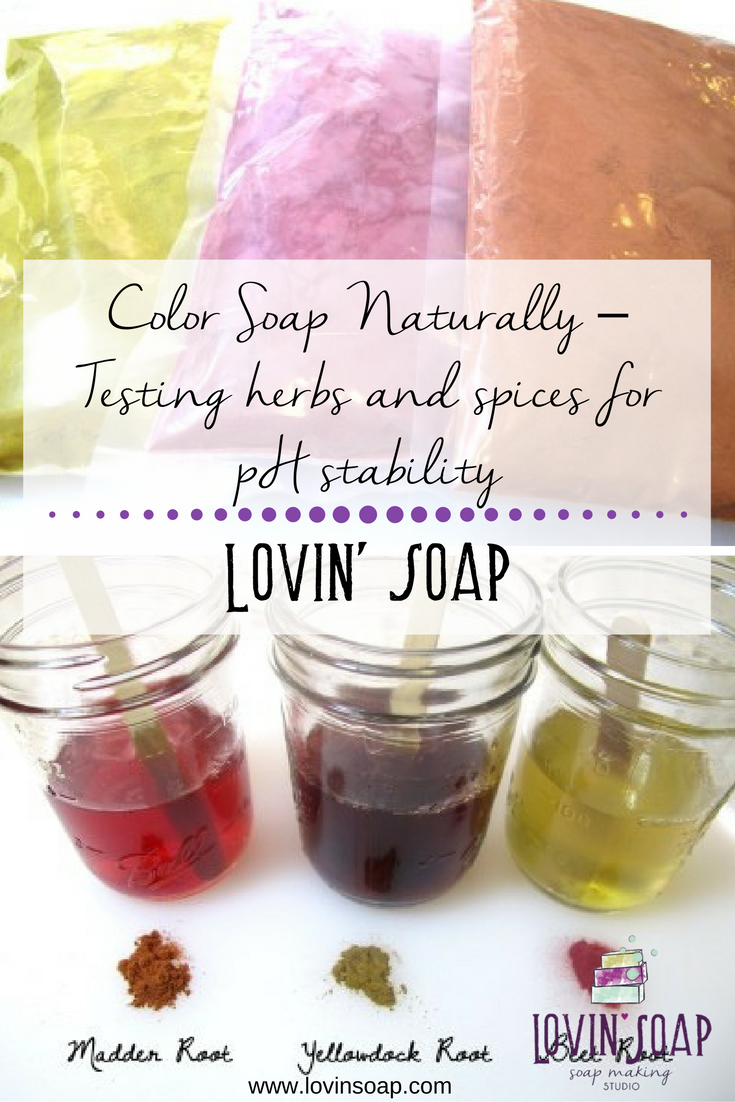
Let’s test yellowdock root, beet root and madder root powders.
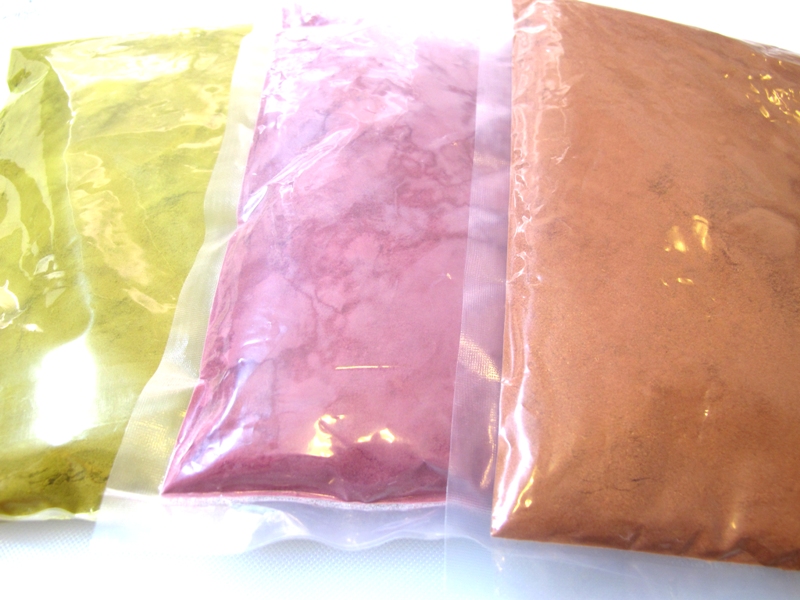
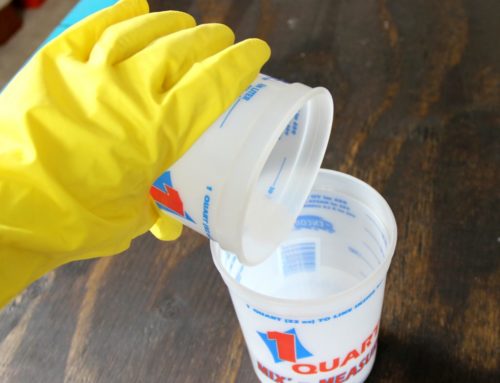
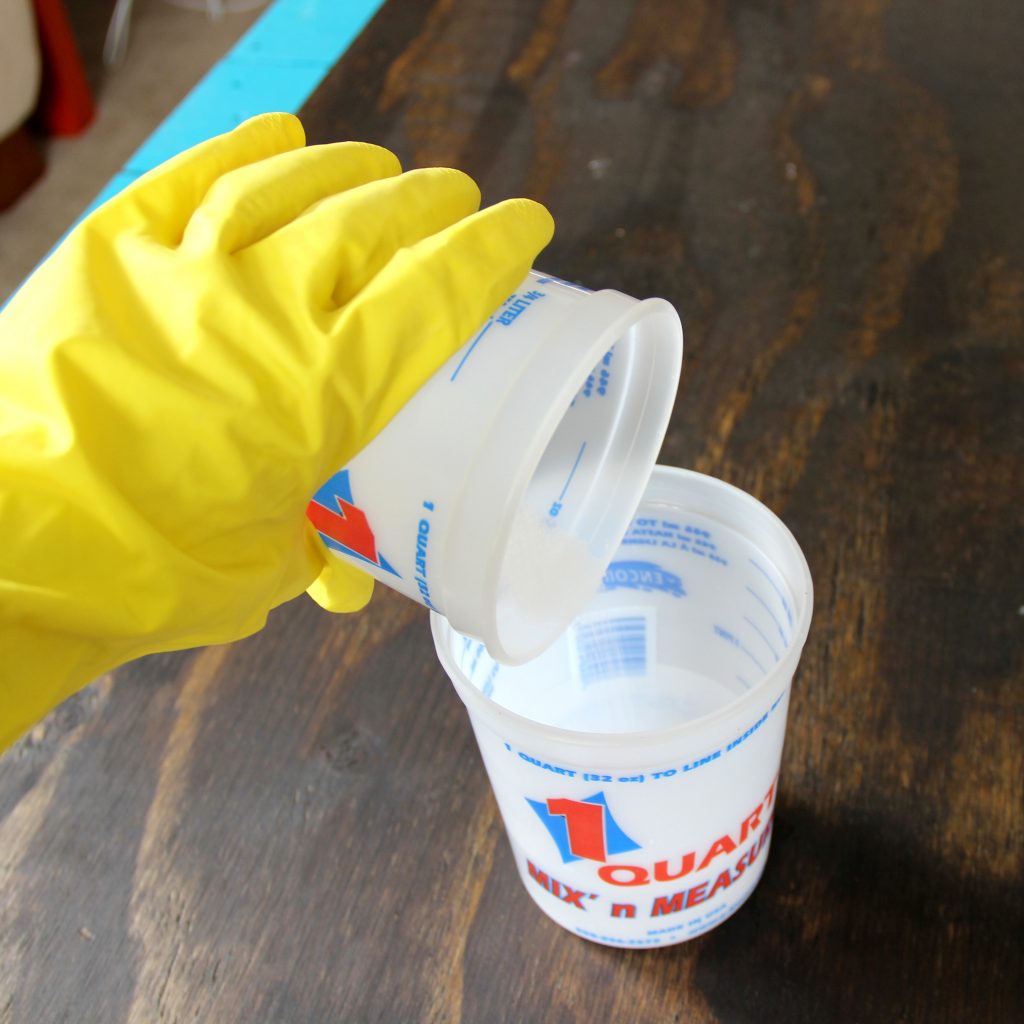
Pour four ounces of distilled water into jars or heavy duty plastic containers. Add about 1 teaspoon of lye and mix well until completely dissolved. Next add a pea sized amount of your powdered color and mix well.
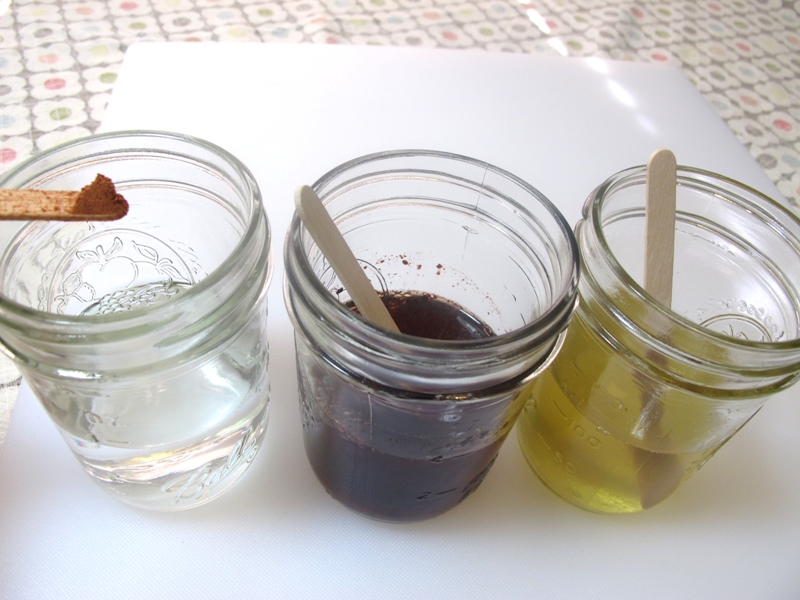
Observe the results. Some unexpected things happened to this test batch.
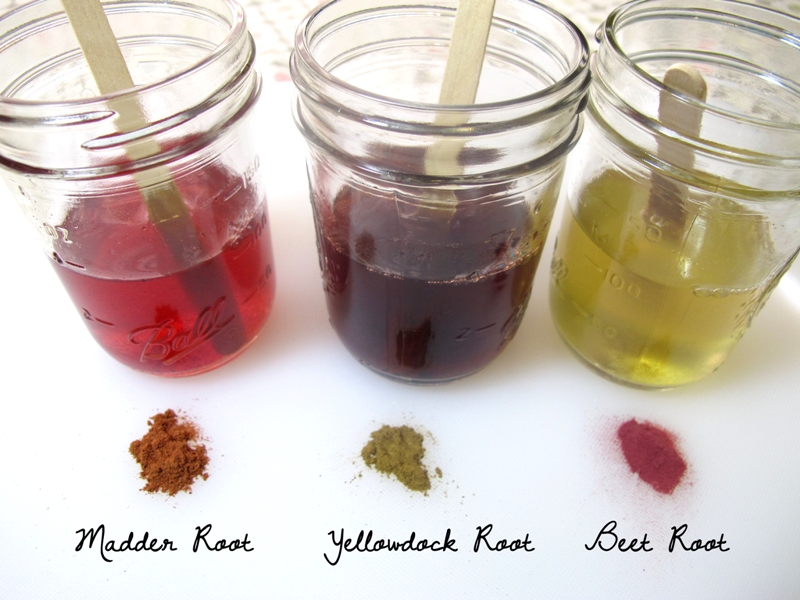
The madder root stayed an expected color but look at the yellowdock and beet root! The beet root powder turned yellow and the yellowdock root turned a dark pink/red color. Beet root powder contains betanin which turns to yellow or tan in an alkaline environment. You can expect something similar to happen in soap.
This is a great way to get an idea of how your herbs or spice powders will react in the high alkaline conditions.
Happy Soaping!
Amanda
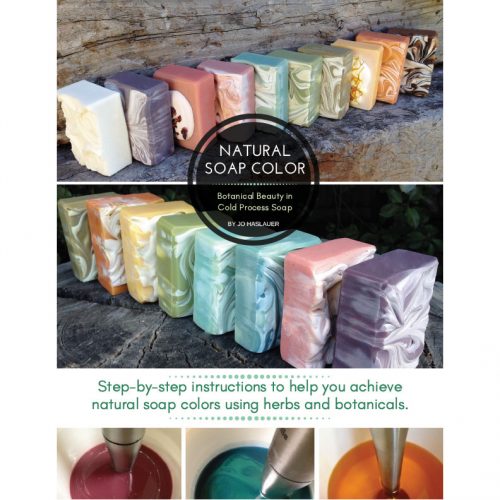
P.S. Are you looking for added help when it comes to coloring your soap using natural herbs and spices? Check out Natural Soap Color by Jo Haslauer.


What do you do with the colored lye water? Can it be used? Or do you discard it, and if so, how? Thanks!
You can just pour it down the drain and flush with cold water.
Thank-you so much for putting up this information! =D It’s such a big help, especially to people who are just trying to start out and learn this whole natural soap making process. =)
Excellent post!
Never thought of testing with just water and lye! What a wonderful post – especially for those of us who cannot attend conferences to further our learning ability. Am so glad I had time today to catch up on what was going on at your site! Thank you so much, Amanda for sharing.
So easy and simple but I wouldn’t have thought of this on my own – thank you! 🙂
Thanks, Moya!
Love it!!!